Wednesday, 10 September 2014

Artificial Disc Replacement in Chennai


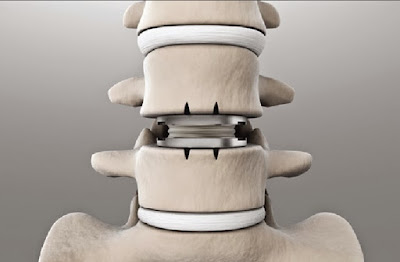
Artificial disc replacement procedure involves replacing painful disc causing chronic back pain. The replacement disc is performed on the lower back and functions same as that of natural spinal disc. Disc problems arises for the patients of age between 18 and 60. The patients which have one level disc and slipped disc are two types of disc disease.

In surgical treatment requires complete removal of unhealthy disc in order to implant the new artificial disc. The treatment which provides an incision in the abdomen.


Artificial disc replacement surgery Chennai


Symtoms for chronic pain

  •   Difficult to move
  •   muscle spams
  •   Tension
  •   Weakness in arms and legs

Treatment For Disc Replacement

Lumbar Artificial Disc Replacement

Artificial disc are designed to be placed in to the disc space from the front and center position. An incision is made through or near the abdomen and reached through spine by movement of blood vessels.

Lumbar Artificial Disk Replacement

Cervical Disc Replacement

It is an alternative method of disc pain that comprises of all the nerves at the spine that result in pain, weakness,  difficulty and controlling specific muscles.

Cervical Disc Replacement Treatment in Chennai


In Artificial Disc Replacement Surgery is a technology for the lumbar and cervical spine which causes pain and aging disc are replaced by a mobile artificial disc and allow the spine to maintain its natural mobility. Disc replacement surgery provides better result without compromising the spine's natural anatomical structure.


To know more about artificial disc replacement Visit Us


Mail Us  :  chennaibrainandspine@gmail.com

Contact Us

Friday, 22 August 2014

Brain Tumour Removal in Chennai

Brain tumor occurs when abnormal cells form within the brain. The cancer cells form a mass of tissue in the brain cause tumor. when primary cancer occurs some cells break away and move to another part of the body called secondary brain tumor. Brain tumor can occur at any age and we cannot determine the exact cause. Brain Tumor Surgery is the primary treatment for the removal of tumor without causing harm to the surrounding brain tissue. Neurosurgeons can surgically remove tumor cells is an effective method to increase the effectiveness of brain surgery.


Brain Tumor Removal in Chennai

Symptoms Of Brain Tumor 
  • Vision Problems 
  • Hearing Problems 
  • Balance Problems 
  • Feeling Sick 
  • Personality 
  • Weakness of a part of body 


Treatment For Brain Tumor

Brain Tumor Treatment Chennai


Brain Surgery 
Brain Surgery is the effective treatment for most brain tumors. Neurosurgeon removes the complete tumor by opening the skull without damaging the other brain tissues.
Radiation Therapy 
High powered rays are used to destroy the tumor cells and stop them from growing. In some cases surgery is not possible radiation therapy is used.
Chemotherapy
In Chemotherapy Treatment doctor use some drugs to kill cancer cells. These drugs injected in to the blood or muscle to destroy the tumor cells.


Brain Surgery treatment for brain tumors depends on a number of factors including the type, location and size of the tumor as well as the patient's age and general health. Chennai Brain and Spine offers Brain Tumor Removal Treatment in Chennai.

Mail Us : chennaibrainandspine@gmail.com


Saturday, 21 December 2013

Disc Extrusion Treatment in Chennai

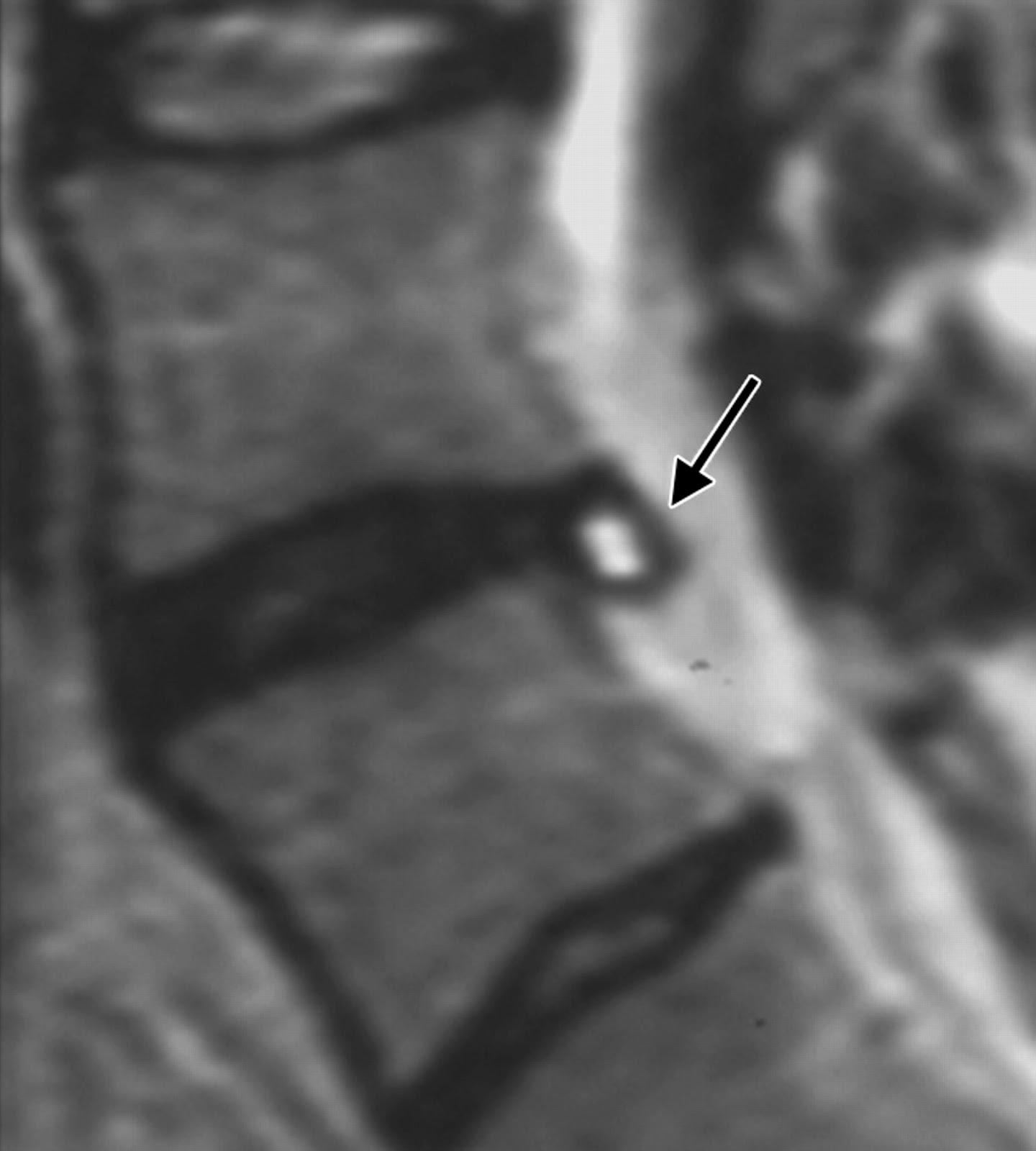
Disc Extrusion, also known as a ruptured or herniated disc, is a degenerative spine condition that may lead to nerve compression and significant back and neck pain. This potentially painful condition is commonly caused by nothing more than the natural aging process, although traumatic injury and other environmental factors can exacerbate its onset. Treatment of disc extrusion is normally successfully completed with a series of noninvasive, conservative treatments that are designed to decompress the irritated nerve and allow the disc to heal over time.


Disc Extrusion Treatment in Chennai


Symptoms of Disc Extrusion

Some of the most common symptoms of disc extrusion and nerve compression include: 
  • Pain at the site of compression in the back or neck 
  • Pain that travels along the compressed nerve 
  • Stiffness or soreness 
  • Unexpected muscle weakness 
  • Numbness or tingling 
  • A burning or pins-and-needles feeling 
  • Disc extrusion or bulging disc

Disc Extrusion Causes

While disc extrusion causes can vary, the end result is similar – the outer wall of an intervertebral disc, the annulus fibrosus, develops a tear and leaks its inner disc material, the nucleus pulposus, into the spinal canal. In and of itself, the tear is usually not painful. However, when the disc fluid impinges on nearby spinal nerves or the spinal cord itself, you may experience symptoms like tingling, numbness, weakness, and pain. Causes of a disc extrusion, also called a herniated disc, can include traumatic injury, overexertion, illness, and obesity, but the most common cause is degeneration that accompanies the natural aging process.

Disc Extrusion Treatment
In the event that a degenerative spine condition is determined to be causing your pain, your doctor will typically first attempt to manage the symptoms with a series of conservative treatments, such as pain medication, hot or cold compresses, limited rest, and low-impact exercise.

If you are unable to manage your disc extrusion symptoms with conservative treatments, the two main paths of surgical treatment available to you are Fusion surgery or an Endoscopic procedure. Fusion surgery is a highly invasive operation that involves a large incision, bone grafts, stabilizing hardware, and an arduous rehabilitation of up to a year. An endoscopic procedure, on the other hand, is a minimally invasive, outpatient procedure that uses a small incision and a series of tubes to funnel surgical instruments to the site of neural compression. No hardware or bone grafts are required. Because only a small incision is required for the passage of the endoscope, the recovery process is significantly shorter than that of a fusion surgery.


To know more about Disc Extrusion & Treatment procedures, Click Here 

Visit Us


Mail Us : chennaibrainandspine@gmail.com


Thursday, 25 July 2013

Best Annular Tear Treatment in India


Tearing of the annulus can produce pain because the annulus has pain fibers within its structure. Many episodes of low back pain are probably tears in the annulus. This condition is called an annular tear or internal disc disruption or sometimes degenerative disc disease.

A Lumbar Annular Tear most commonly occurring at L4/L5 or L5/S1, may progress to a herniated disc. A lumbar annular tear may result from degenerative disc disease. When an annular tear occurs, the gel-like inner disc material may push through the tear in the outer wall and extrude into the spinal canal. Annular tears often occur as part of the natural aging process as the disc loses water content, and becomes thinner and brittle over the years, potentially deforming and herniating.


Symptoms of Annular Tear

The major symptoms include
  • Numbness 
  • Tingling 
  • Weakness 
  • Pain 

Causes of Annular Tears


Annular Tear Treatment in Chennai


Annular tears are caused by the natural aging. Since the neck and back are responsible for bearing most of a person's bodyweight, they are susceptible to a great deal of wear over time. By the age of 30, most people's intervertebral discs have begun to degenerate to a certain degree. This degeneration can lead to annular tears since the annulus fibrosus is in a weakened state. Traumatic injury can also cause an annular tear. This is typically seen in those who participate in high-impact sports such as gymnastics and football and in people with strenuous occupations. Those experiencing annular tear symptoms should contact their primary care doctors for information regarding the diagnosis and treatment of their spinal condition.


Treatment for Herniated Discs or Annular Tears

As such, treatment options will be tailored to the person's age, overall health and level of regular physical activity. Annular tear treatment is almost always first attempted conservatively, with a variety of nonsurgical techniques utilized to alleviate the patient's pain and heal the damaged intervertebral disc.
Other examples of annular tear treatment include:
  • Epidural injections 
  • Pain patches 
  • Deep tissue massage 
  • Spine alignment correction 
  • Hydrotherapy 
  • Ultrasound treatment 
  • Transcutaneous electrical nerve stimulation treatment

Surgical Treatment


In most cases, the patient will find sufficient pain relief from a combination of these treatments over several weeks. However, if pain persists, a spine specialist may recommend more advanced treatments, including Spine Surgery, to alleviate the lingering discomfort.

Price of Annular Tear Treatment

Chennai Brain and Spine treatments offers low cost with highly technological infrastructure same as in USA, UK and Europe.

For More Enquiry Mail Us : chennaibrainandspine@gmail.com


Thursday, 25 April 2013

Degenerative Joint Disease Treatment in India

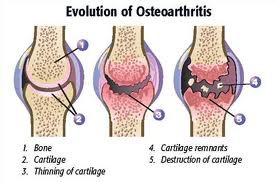
Degenerative Joint Disease most commonly known as osteoarthritis is a painful degenerative condition that results in the deterioration of cartilage tissues that support the weight-bearing joints in the body. Once the cartilage is thinned or lost, the constant grinding of bones against each other causes pain and stiffness around the joint . Abnormal and excess bone formations called spurs grow from the damaged bones, causing further pain and stiffness. Statistics show that degenerative joint disease affects 80% of people over the age of 60.


Degenerative Joint Disease


Causes of Degenerative Joint Disease

Degenerative joint disease is most often caused by nothing more than the regular aging process, although environmental factors like injury, obesity, years of smoking, and prolonged repetitive activities can all exacerbate the onset of arthritis as well.

Symptoms of degenerative joint disease 
  • Localized pain at the site of the arthritic joint 
  • Pain that radiates along a nerve 
  • Headaches 
  • A feeling of stiffness or soreness 
  • Fatigue 

Treatment for degenerative joint disease 
  • Pain medication, muscle relaxants, non-steroidal anti-inflammatory drugs 
  • Physical therapy 
  • Deep tissue massage 
  • Low-impact exercises and stretching programs 
  • Healthy diet 
  • Behavior modification such as yoga, acupuncture, and herbal supplements 

Chennai Brain and Spine provides advanced and sophisticated treatments for all types of brain and spine related disorders at affordable cost.


Degenerative Disc Treatment in Chennai

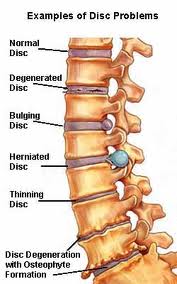
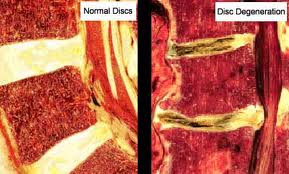
A Degenerative Disc Disease (DDD) is typically associated with aging. As you age, your discs, like other joints in the body, can degenerate and become problematic: That's a natural part of growing older as your body deals with years of strain, overuse, and maybe even misuse.
                             
Degenerative Disc Disease Treatment in  Chennai


Causes for Degenerative Disc Disease

In most patients, degenerative disc disease will develop slowly over time. When degenerative disc disease develops slowly over time, it is usually caused by repeated daily stresses and minor injuries to the discs in the spine. Daily stresses involve activities like minimal impact sports and lifting and carrying heavy objects. Minor injuries to the disc may occur and not cause pain at the time of the injury.


Degenerative Disc Disease


Treatment Options For Degenerative Disc Disease

For most people, degenerative disc disease can be successfully treated with conservative (meaning non-surgical) care consisting of medication to control inflammation and pain (either oral or injection), and physical therapy and exercise.


For more information about Degenerative Disc treatment Click Here

Mail Us : chennaibrainandspine@gmail.com


Monday, 2 July 2012

Congenital Disorder of the Spine


A medical condition that is present at or before birth is called Congenital Disorder. These conditions, also referred to as birth defects, can be acquired during the fetal stage of development or from the genetic makeup of the parents. There are numerous variations of congenital malformations of the bone and soft tissue of the head and spine, Congenital anomalies of the spine may be simple and benign, causing no spinal deformity, or they may be complex. 


Congenital Disorder of the Spine


Types of Congenital Malformations of Spine

Spina Bifida
Tethered Cord
Lipoma of the Spinal Cord
Neurenteric Cyst


Spina bifida is the most common of a group of birth defects known as neural tube defects, which affect the central nervous system. There are 3 types of spina bifida.


                                     Spinal Bifida Treatment Chennai


1) Spina bifida occulta

The mildest form of spina bifida, spina bifida occulta describes a group of neural tube birth defects that can affect the spinal column. This is composed of bones, or vertebrae, which support the nerve center of the spinal cord, which is responsible for carrying all nerve signals in between the body and the brain.


A meningocele is a form of spina bifida. It is a congenital malformation that arises from an error in the normal development of the central nervous system, particularly the spinal cord and spine. It is an out-pouching of the coverings of the spinal cord that results in a defect in the bone and soft-tissue coverings of the back part of the spine.

3) Myelomeningocele

A myelomeningocele is a defect of the backbone (spine) and spinal cord. Before birth, the baby's backbone, spinal cord and the structure they float in (spinal canal) do not form or close normally.


Tethered Cord 

Cord is said to be tethered when it is attached abnormally within the boney spine. There are two ways the spinal cord can become tethered.

1) If your child was born with spina bifida then the cord could become tethered because of the scar tissue that resulted from surgically closing the spine at birth. This scar tissue causes the cord to attach abnormally.

2) The spinal cord can also become tethered with spina bifida occulta. This can occur without visible outward signs although usually half the children have visible symptoms.


Tethered Cord


Treatment for Tethered Cord 

Patients suspected of having tethered cord may go through the following steps for evaluation and treatment:
  • Spinal x-rays
  • MRI
  • Somatosensory evoked potentials – to evaluate nerves and electrical impulse transmissions through the spinal cord
  • Bladder function evaluation by a pediatric urologist
  • Tethered cord surgery

Lipoma of the Spinal Cord

A spinal cord lipoma is a fatty mass or tumor within the spinal cord that may or may not be associated with Spina Bifida. It often occurs in a normally positioned cord without any skin or bony abnormalities. The tendency to develop a lipoma is not necessarily hereditary although hereditary conditions, such as familial multiple lipomatosis, may include lipoma development. Cases have been reported where minor injuries are alleged to have triggered the growth of a lipoma, called "post-traumatic lipomas." However, the link between trauma and the development of lipomas is controversial. Risks depend on lipoma size and location. If an important motor nerve runs through the lipoma, then removal may injure this nerve. Intraoperative nerve stimulation helps locate the nerve to ensure its preservation. Biopsies also have the risk of nerve injury.


Treatment for Lipomas

Lipomas are normally removed by simple excision. The removal can often be done under local anaesthetic, and take less than 30 minutes. There are new methods being developed that are supposed to remove the lipomas without scarring. One of them is removal by the use of injection of compounds that trigger lipolysis, such as steroids or phosphatidylcholine.

Neurenteric Cyst

Neurenteric cysts are not confined to the spinal column but may be found within the brain, mediastinum, abdomen, pelvis, or even in a subcutaneous location. Congenital abnormalities believed to be derived from an abnormal connection between the primitive endoderm and ectoderm during the third week of life.


The Treatment of Intraspinal Neurenteric Cysts

The treatment of intraspinal neurenteric cysts is surgical. They are frequently adherent to the spinal cord or cauda equina to the extent that complete excision is not feasible but even so, evacuation and partial resection of these lesions is usually followed by the same good results as complete excision. In either case, neurological function usually improves and recurrence after partial resection may take years to become symptomatic.

Chennai Brain and Spine provides treatments for all types of brain and spine disorders at reasonable cost. 


For more information about congenital disorder of the spine please inquire through

Email  :  chennaibrainandspine@gmail.com